Alışveriş sepetiniz boş!


Alışveriş sepetiniz boş!
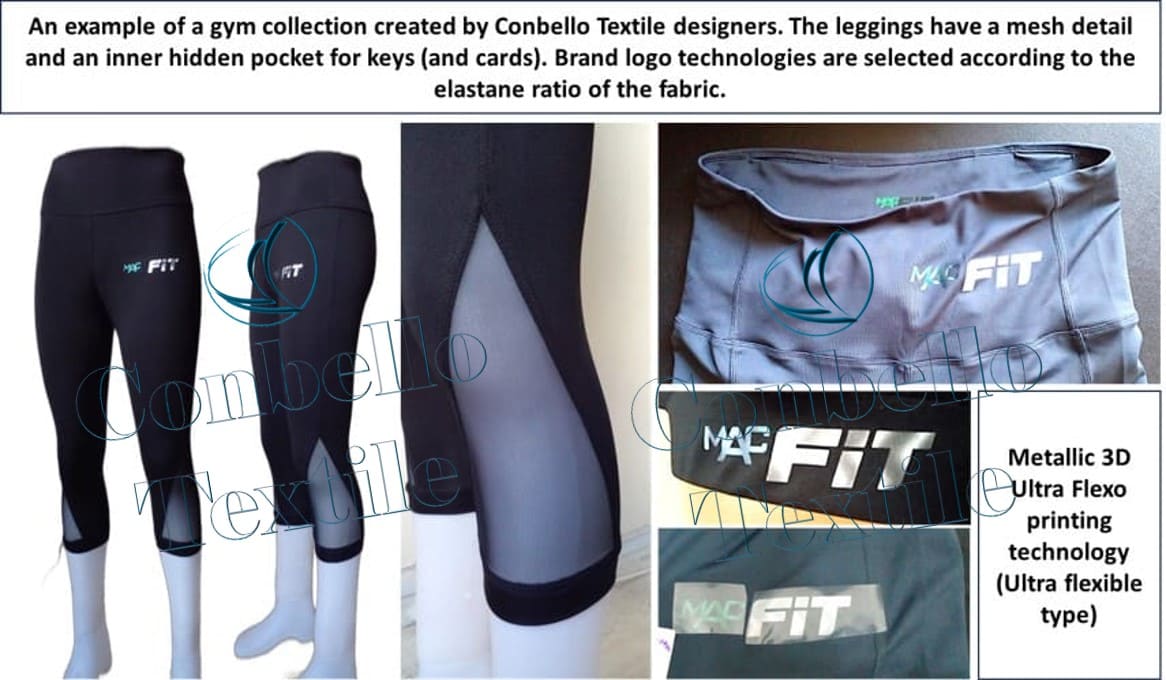
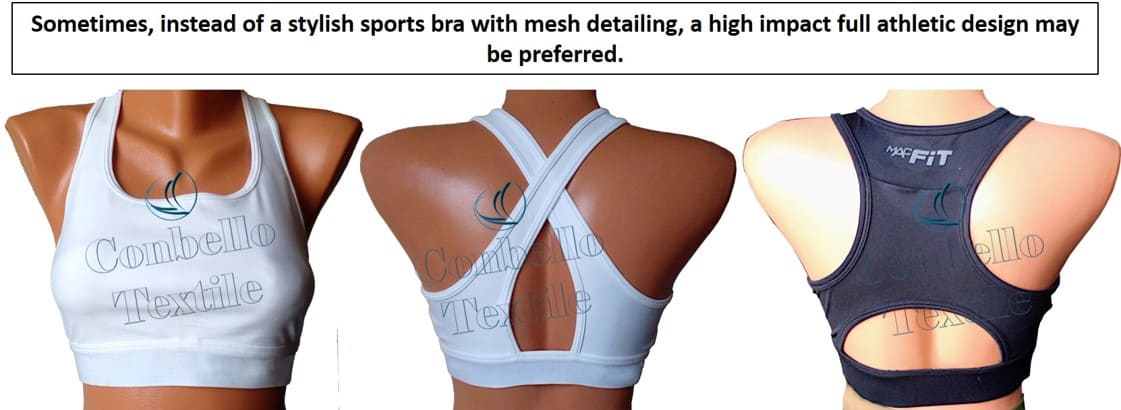
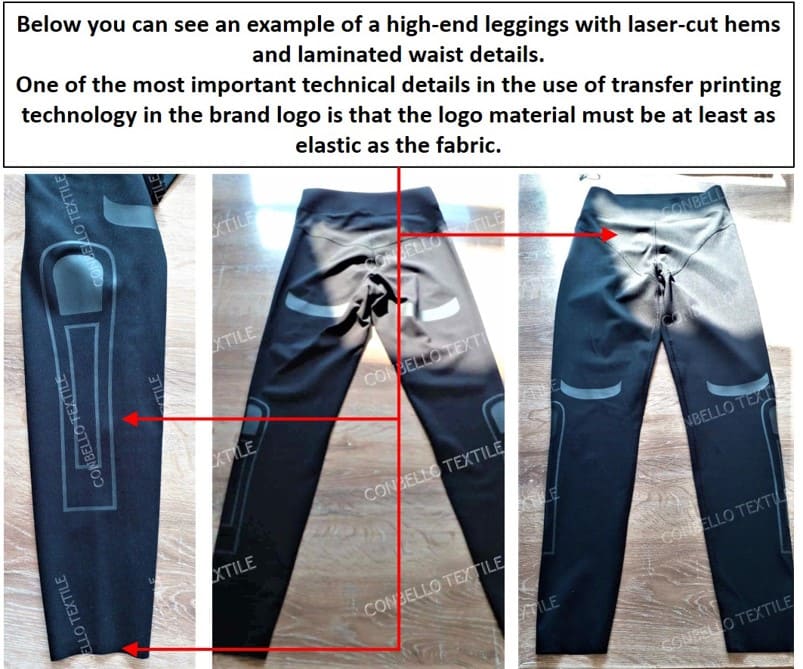
Leggings, sports bras and all kinds of fitness clothes made of high quality fabrics with increased breathability obtained by blending non-breathable fabrics such as polyamide with natural fabrics will take your brand to the next level.
Creating high quality fitness designs is a much more complex process than you might think. Let's take a good quality pair of leggings and sports bra as an example. The fibre that gives the polyester or polyamide (nylon) fabric its elasticity is spandex, also known as elastane. Incidentally, spandex (elastane) is not a type of fabric, so it is not possible to make a fabric using only elastane fibres. The ideal amount of elastane in a fabric is 25%. However, sewing a fabric with such a high elastane content is a job that requires experience. Therefore, unethical or inexperienced manufacturers use fabrics with lower elastane content. However, they can tell their customers that the fabric contains high elastane. Unfortunately, we come across this fraud quite often. Such small manufacturers offering low prices unfortunately take advantage of the lack of in-depth technical experience of fitness wear brands.
There is nothing wrong with using high quality polyester or polyamide (nylon) fabrics in the production of high quality leggings and sports bras. However, the pitfalls for a fitness apparel brand chasing low prices are obvious. The manufacturer offering low price but very low quality garments will use promotional fabrics. This will mean that the fabric is sparsely spaced (or woven), weighs less than the ideal fabric weight, has no anti-pilling finish and no colour fastness finish. The result will be a cheap garment that is rubbish in every way.


NEXT GENERATION PREMIUM FABRIC TECHNOLOGIES
Next Generation Technical Fabrics in Performance, Comfort and Hygiene Developed by Conbello Textile.
Conventional fabrics such as polyamide and polyester often cause discomfort and potential health problems. These fabrics contain high elastane as required by their usage characteristics. As a natural consequence, they trap moisture when in close direct contact with the skin, causing the skin and fabric to remain wet. This causes excessive sweating, allergic reactions and an increase in body temperature. Synthetic fabrics such as polyamide, which cannot absorb moisture and evaporate it from the fabric, exacerbate this problem.
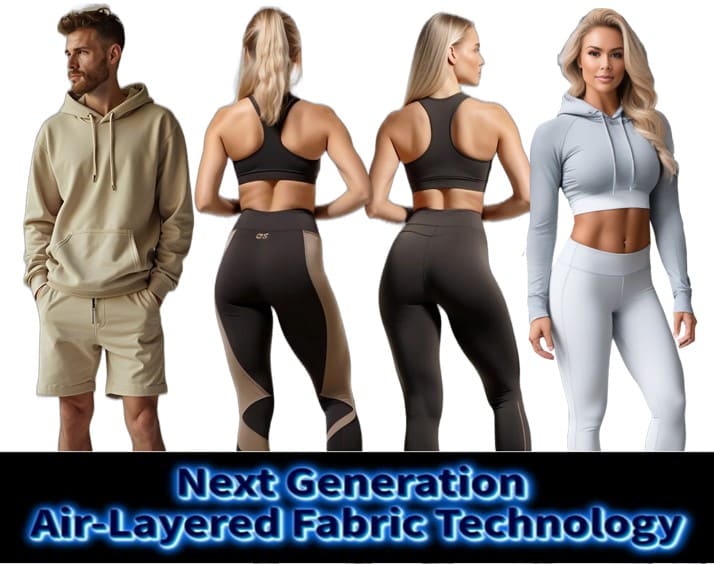
To address these shortcomings, Conbello Textile R&D department has developed the Next generation air layer fabric technology. This innovative approach involves an air gap between the fabric and the skin, similar to a film strip. This air layer minimises fabric-skin contact and friction, significantly reducing perspiration and the risk of allergic reactions. The ultra-soft inner and outer structure of these fabrics provides exceptional comfort in environments ranging from hot to cold.
Type 1: Next Generation Air-Layered Fabric Technology
This type of fabric offers a significantly softer feel than conventional polyamide. By creating a layer of air between the fabric and the skin, it ensures optimum air circulation, reduces friction and facilitates the removal of moisture. This technology provides a more comfortable and hygienic experience.
Type 2: Next Generation Air Lock Fabric Technology
Designed for cooler or colder outdoor conditions, this fabric features a laminated construction that creates a layer of air inside the main fabric. This airlock layer provides an additional barrier against the elements, keeping the wearer warmer and drier. Ideal for activities in cold environments.
In conclusion, the new generation of airlock fabric technology represents a significant advance in textile innovation. Addressing the limitations of traditional polyester and polyamide (nylon) fabrics, these materials offer improved comfort, breathability and moisture management. Whether you are looking for a more comfortable everyday fabric or a specialised option for outdoor activities, airlock fabrics offer a superior solution.


Blending polyamide-polyester fabrics with natural fibres such as cotton and viscose can significantly improve their performance and comfort. Natural fibres have unique properties that complement synthetic fibres and provide several benefits:
Moisture absorption: Natural fibres such as cotton and viscose are hydrophilic, which means they absorb moisture for better breathability and perspiration management.
Moisture absorption: Natural fibres allow airflow and moisture transfer, reducing the risk of sweat build-up and skin irritation.
Softness and comfort: Natural fibres are generally softer and gentler on the skin than synthetic fibres, reducing irritation and discomfort.
Temperature regulation: Natural fibres help regulate body
temperature, keeping you cooler in summer and warmer in winter.



![How to find an athletic [ athleisure ] clothing manufacturer](image/cache/A YENİ EKLENEN ÜRÜN/athleisure-clothing-manufacturer-55x55.jpg)


![Women's Gym Clothing Manufacturer [ High Quality ]](image/cache/A PERFORMANS/women-fitness-apparel-manufacturer-200x200.jpg "Women's Gym Clothing Manufacturer [ High Quality ]")
![Equestrian Clothing Manufacturer Europe [ Turkey ]](image/cache/A PERFORMANS/Equestrian-Clothing-and-Breeches-Manufacturer-200x200.jpg "Equestrian Clothing Manufacturer Europe [ Turkey ]")
![Athleisure [ Athletic ] clothing manufacturer](image/cache/A YENİ EKLENEN ÜRÜN/athleisure-clothing-manufacturer-200x200.jpg "Athleisure [ Athletic ] clothing manufacturer")

-200x200.jpg "Private Label Hoodie Manufacturer")
![High quality t-shirt manufacturer Europe [Luxury]](image/cache/A PERFORMANS/High-quality-shirt-manufacturers-200x200.jpg "High quality t-shirt manufacturer Europe [Luxury]")
![Custom Clothing Manufacturer [ Europe-Turkey ]](image/cache/A YENİ EKLENEN ÜRÜN/fitness-clothing-manufacturer-200x200.jpg "Custom Clothing Manufacturer [ Europe-Turkey ]")


