Are there toxic chemicals in fitness clothing
Are there toxic chemicals in fitness clothes such as leggings and sports bras?
Are there toxic chemicals in fitness clothing
First of all, it is necessary to be sure about the size of the danger and find a solution. If you do not diagnose correctly or ignore the danger, you will not find a solution.
When examining the health hazards of Polyamide ( nylon )and Polyester fabrics, it is only considered that these fabrics contain chemical toxins due to their petroleum derivatives. This leads to ignoring the damages of the fabrics when they are dyed with toxic dyestuffs. However, the use of cheap and poor quality dyes in the colouring of all fabrics, including cotton fabrics, is at least as harmful as petroleum-derived synthetic fabrics. This is the clear answer to why some fitness clothes are cheaper. All fabrics coloured with dyes containing chemical toxins are extremely harmful to health, even if they are organic cotton. Because the poison in fabrics coloured with dyes containing chemical toxins easily enters the body through the pores of the skin during active sports.


In the light of the latest findings from Conbello Textile's R&D department, we will explain the serious health hazards of polyamide (nylon) fabric, one of the most widely used synthetic fabrics in the world, especially in fitness clothing.
You will also get real information about healthy fabric alternatives with far superior properties without compromising the properties of polyamide fabric.
You can find detailed information about healthy alternatives to fully synthetic fabrics such as polyamide and polyester in the bottom section.
You already know that the reason why the use of polyamide fabric is so heavily promoted is because of the huge factories that produce polyamide resin. Therefore, we have an obligation to know the facts, to tell you what you are not being told, and to show you how to find solutions.
Synthetic fabrics such as polyamide (nylon) and polyester are known for their limited moisture absorption and breathability. However, recent advancements have made it possible to overcome one of the most prominent drawbacks of polyamide fabric—its lack of breathability. This improvement has significantly enhanced the technical performance of fitness garments made from polyamide, including leggings and sports bras. Further details can be found at the link below.

'' Polyamide (nylon) fabrics have been extremely popularised in many fitness garments such as leggings and sports bras. Polyamide fabric derived from petrochemicals contains toxic chemicals such as phthalates and bisphenols. Especially during intense sweating during exercise, the pores in the skin are opened. This causes the toxic chemicals in polyamide fabric to be absorbed through the skin. In addition, another overlooked factor is the use of dyes containing intensive toxic chemicals during the colouring (dyeing) phase in cheap and poor quality polyamide fabrics used in fitness clothing such as cheap leggings and sports bras.''
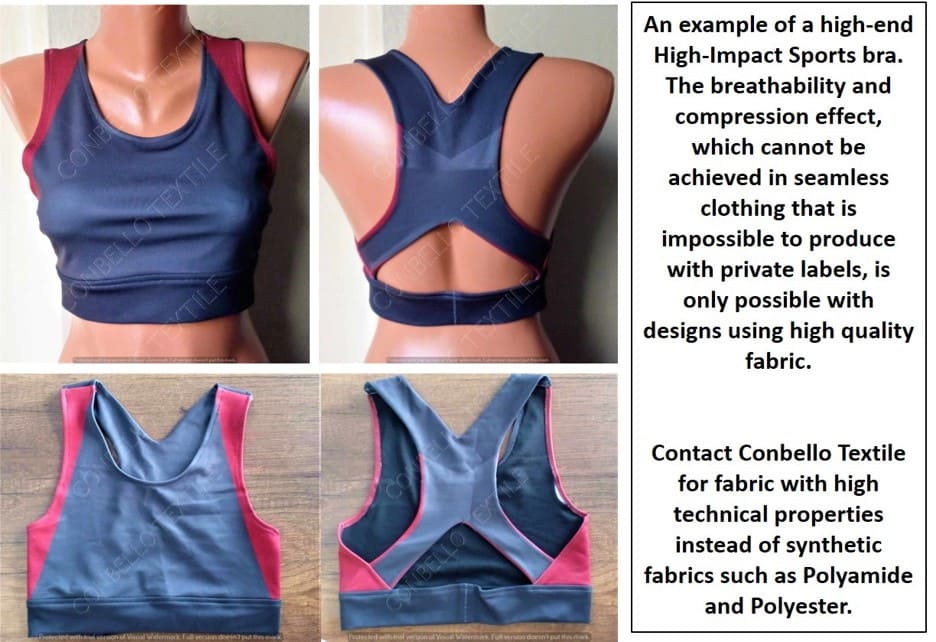
The use of petroleum-derived polyamide (nylon) fabrics is not the only source of harmful chemical toxins in sportswear. The damage to health caused by dyeing fabrics such as polyester, polyamide (nylon) and cotton - the fabrics most commonly used in sportswear - with low-quality, cheap dyes is much more serious. These dyes, which contain chemical toxins, are easily absorbed through the pores of the skin during exercise.
You can find detailed information about the production of fitness apparel with minimal or no other harmful chemicals such as BPA (Bisphenol-A) and Phthalates in the section at the bottom of the page. We also recommend you to follow the links about the production of these fitness clothes by Conbello Textile.
The unstoppable rise of polyamide fabric in recent years and the harsh realities
Well, does the toxic chemical BPA (Bisphenol-A) found in polyamide fabric really have a harmful effect as mentioned? YES !
There is considerable evidence that polyamide fabrics and clothing made from them contain the toxic chemical BPA (bisphenol-A).
“People are exposed to BPA through ingestion, from eating food or drinking water from containers that have leached BPA, or by absorption through skin,” Kaya Allan Sugerman, CEH’s illegal toxic threats program director, said in a statement.
“Studies have shown that BPA can be absorbed through skin and end up in the bloodstream after handling receipt paper for seconds or a few minutes at a time. Sports bras and athletic shirts are worn for hours at a time, and you are meant to sweat in them, so it is concerning to be finding such high levels of BPA in our clothing,” Allan Sugerman said.

Before we move on to very recent evidence, let's examine the main factors caused by the BPA toxic substance.
What toxic chemicals are in sports bras and leggings?
What chemicals are in athletic clothes?
Is it possible to manufacture sportswear that does not contain chemical poisons such as BPA?
Do bras contain toxic chemicals?
Can toxic chemicals be washed out of clothing?
'' Conbello Textile also uses fully synthetic fabrics such as polyamide and polyester in fitness apparel such as leggings, sports bras, T-shirts and tank tops. However, in order to minimize possible health problems, we use the highest quality dyes to color the fabrics. In addition to fully synthetic fitness apparel fabrics, we offer our valued customers who own fitness apparel brands much higher quality technical fabrics obtained by blending these fabrics (polyamide-polyester) with natural fabrics (cotton, viscose, etc.).''
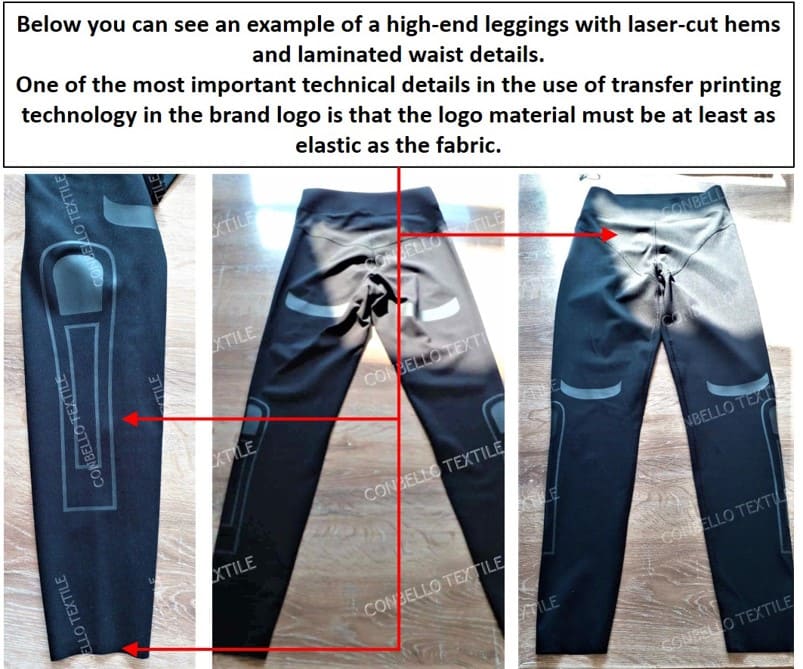
Is polyamide harmful to health ?
Nylon (Polyamide) Fabric: It is the first synthetic fiber produced in the world. Its main raw material is petroleum. It is produced using harmful and permanent chemical methods. As a result of scientific studies, it has now been conclusively proven to cause allergic reactions, spinal pain, dizziness and cancer. This plastic contains various chemicals that pose the most significant health hazard. One of these is a substance called Bisphenol A (BPA). Apart from this, polyamide (nylon) fabric is also very dense in terms of ftlats, which are extremely harmful to health. Because there is evidence that BPA causes disruption in the hormonal system.
The presence of BPA is a cause for concern. BPA is believed to cause developmental and reproductive harm and is linked to breast cancer, prostate cancer, metabolic disorders, diabetes, and many other serious health problems, especially in infants and young children. The route of exposure to the chemical is through dermal absorption directly through the skin when socks are worn, as well as ingestion through hand-to-mouth contact after handling or touching the socks. In adults, BPA exposure has been linked to diabetes, heart disease, cancer, obesity and erectile dysfunction.
The most immediate and visible effects are allergies, increased anxiety, irritability, psychological tension and depression.
Premature death has also been linked to BPA exposure, according to a study published in 2022. More recently, BPA has also been linked to asthma in school-age girls.

When the raw materials of Polyamide (Nylon) fabric are examined, it is generally mentioned that it consists of chemical substances. However, you may realize that the main raw material is 'petroleum', which is tried to be hidden by using these complex terms. It is indeed an excellent agnotological approach. The main chemicals in polyamide fabric are Adipic Acid, Hexamethylene Diamine, Toluene Diisocyanate, Toluene Diisocyanate and Aliphatic Polyamide Resin. When all these are combined, the polyamide resin required to produce polyamide fabric is obtained. The raw material from which polyamide resin is obtained is Petroleum.
You can read the list of chemicals used in the production of polyamide fabric in the section below.
Below is the list of chemicals derived from petroleum, the main raw material for producing polyamide fabric.
1 ) Adipic Acid: This is a key component in the production of polyamide resins. It is derived from petroleum and is used to form the backbone of the polymer chain
2 ) Hexamethylene Diamine: This is another key component used in the production of polyamide resins. It is derived from petroleum and is used to form the cross-links between the polymer chains
3 ) Toluene Diisocyanate : This is a common curing agent used in the production of polyamide resins. It is derived from petroleum and helps to cross-link the polymer chains, providing strength and durability
4 ) Aliphatic Polyamide Resin : This is a type of polyamide resin that is derived from petroleum and is used in various applications, including textiles and composites
5 ) Glass Fibers : These are used as reinforcing agents in some polyamide composites to enhance their mechanical properties
6 ) Mineral Fillers : These are used to improve the thermal and electrical insulation properties of polyamide composites.
7 ) Coupling Agents : These are used to improve the adhesion between the polyamide resin and other components, such as glass fibers or fillers

The manufacturing process of polyamide fabric is completed by mixing, heating and pressing these chemicals. You can read the details below.
The chemicals described above, which are derived from petroleum, are made into a component by using heat and auxiliary chemicals. These strands and sheets are then shredded into crumbs. If the ultimate goal of the nylon fiber is to become a textile, the chips are melted and then forced through spinnerets to form fibers. Spinnerets are similar to pasta makers for plastic polymer solutions. The polymer solution is forced through holes in the spinneret to form a fiber of the desired shape. Different spinnerets form hollow fibers, solid fibers, finer fibers, etc. Finally, the fibers are spun into yarns and woven into a textile known as a polyamide fabric.


BPA-free clothing. BPA-free sportswear
Can fitness clothes be produced without chemical poisons and BPA?.
Conbello Textile manufactures BPA-free fitness clothes in two different types, thanks to the high technology developed by its R&D department.
1) The first method we use in the production of fitness clothing such as BPA-free leggings, sports bras and t-shirts is to use high quality, specially produced fabrics consisting of completely natural fibers. These fabrics are 100% long fiber compact type fabrics such as cotton, viscose and bamboo.
2) The second manufacturing method developed by our R&D department for BPA-free fitness clothing is for sports enthusiasts who cannot give up polyester or polyamide fabric despite everything. In this method, we use a special 3-layer manufacturing method. We produce fabric consisting of Polyamide-Cotton and a special layer.
Just contact Conbello Textile for designs that do not contain BPA or any toxic chemicals in your fitness clothing.
'' Leggings and sports bras that can be worn in fitness, yoga and at work are produced using pure synthetic polyester and polyamide fabrics. By adding cotton fibers and/or viscose natural fibers from beech wood to polyester and polyamide (nylon) fabrics, a much higher quality fabric is produced in every way. Unfortunately, polyester and polyamide fabrics contain large amounts of chemical poisons such as phthalates and especially BPA (Bisphenol A), which have been proven to cause many diseases, including allergies and cancer. The addition of cotton and viscose fibers to polyester and polyamide fabrics significantly reduces the concentration of these toxic chemicals.''
About healthy fabrics that are alternatives to polyamide fabrics and also have superior technical and utilization advantages
We blend synthetic fabrics such as polyamide and polyester with natural fabrics such as cotton and viscose to produce superior fabrics of excellent quality in fitness apparel.
You can find detailed information about the production of fitness apparel with minimal or no other harmful chemicals such as BPA (Bisphenol-A) and Phthalates in the section at the bottom of the page. Please click on the link below to get information about the production by Conbello Textile.
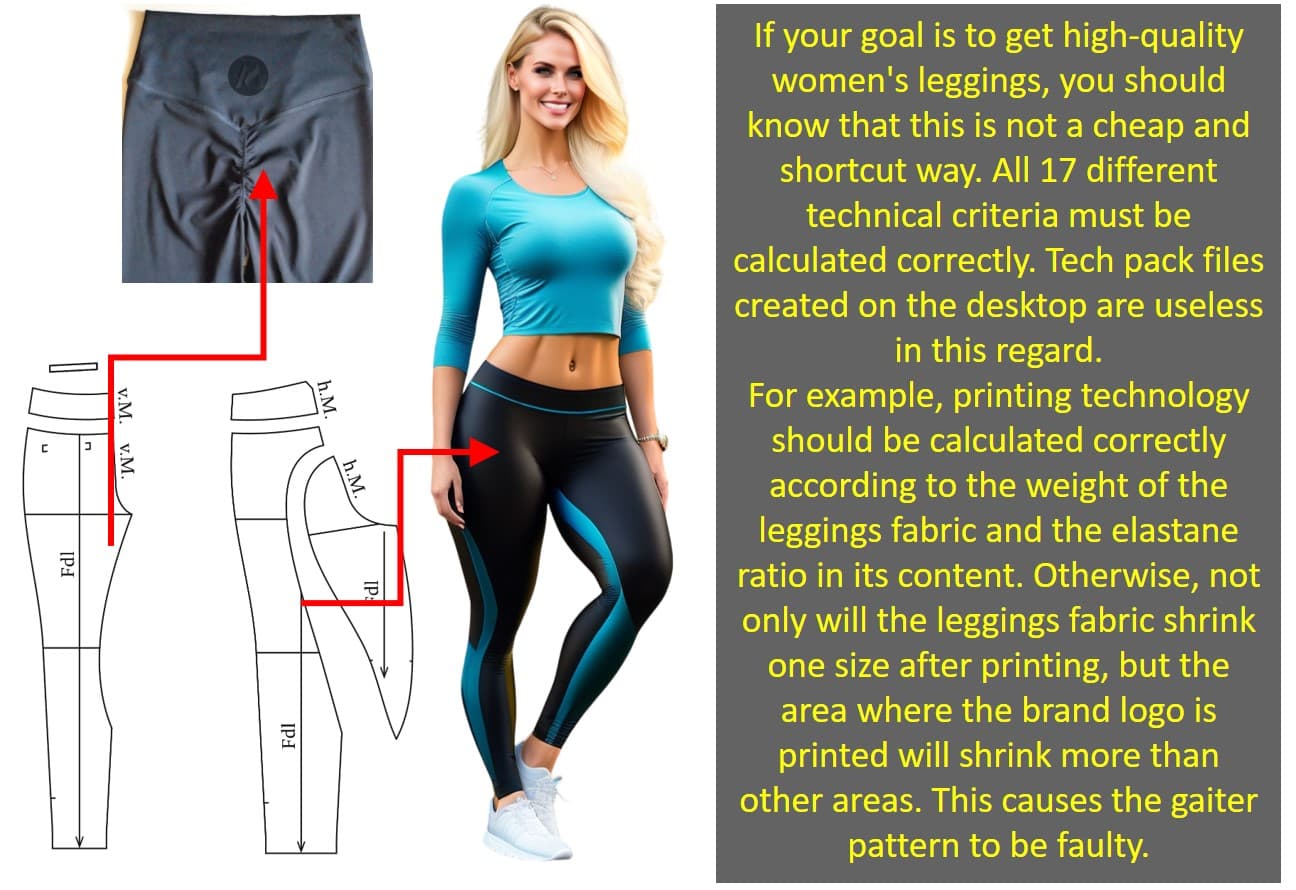
Are there toxic chemicals in fitness clothing such as leggings and sports bras? Recent evidence has shown that petroleum-derived polyamide fabric contains highly toxic BPA (Bisphenol-A) and harmful phthalates. Instead of using synthetic fabrics such as Nylon and Polyester in fitness apparel, better quality natural fabrics blended with these fabrics should be used.

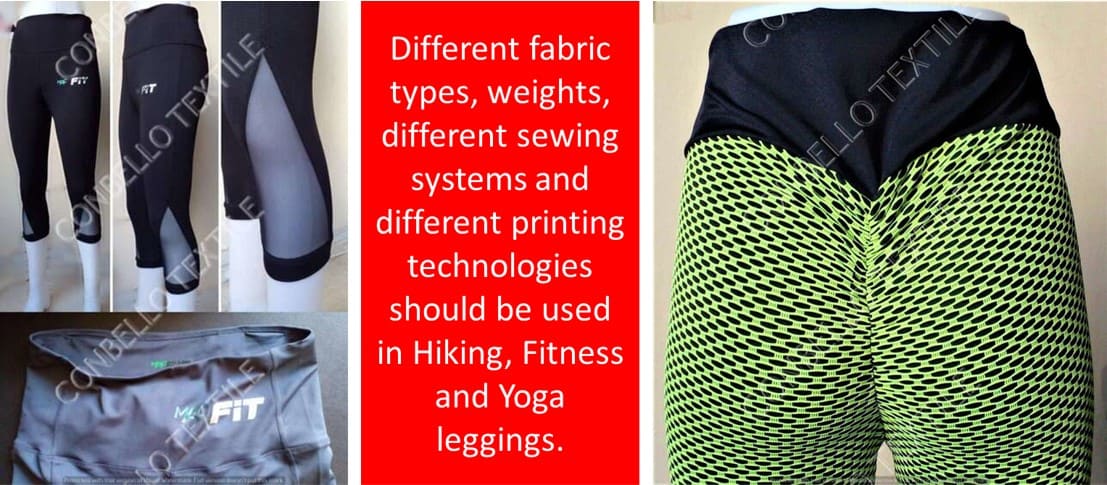
High-Performance Activewear: Blending Comfort, Sustainability, and Safety
In the dynamic world of fitness and fashion, activewear has evolved beyond mere sportswear into a lifestyle statement. Today, leggings and sports bras are not just about functionality during workouts but also serve as versatile pieces that can seamlessly transition from the gym to the office and beyond. These garments are primarily produced using synthetic fabrics like polyester and polyamide (also known as nylon), known for their durability, stretch, and moisture-wicking properties. Conbello Textile uses the latest developments in textile technology in its manufacturing protocol. We produce healthy clothes in our fitness clothing by using innovative and high-end fabric blends containing natural fibers such as viscose and cotton.
'' If you want a high quality sports jersey with all its components, jersey fabric should not be used because it is slightly cheaper, instead high quality technical fabrics such as ultra-micro polyester or Dri-Fit (dry-touch) should be used ''
'' In the production of high quality fitness designs, the use of high quality fabrics is as important as the use of printing inks that do not contain chemical poisons.''


Advantages of Blending Synthetic and Natural Fibers in Activewear
Enhanced Comfort and Breathability : The addition of cotton fibers to synthetic blends significantly improves the breathability of the fabric, keeping the wearer cool and comfortable during intense workouts or long work hours. Cotton's natural softness also reduces skin irritation, making these garments ideal for sensitive skin.
Improved Moisture Management : Polyamide and polyester are known for their excellent moisture-wicking capabilities, pulling sweat away from the skin to the fabric's surface where it can evaporate quickly. However, especially polyamide fabric does not have the ability to quickly remove moisture from the skin. When combined with viscose, which has natural moisture-absorbing properties, these blends offer superior comfort by keeping the wearer dry and refreshed. The addition of natural fibers like cotton and viscose to synthetic polyester and polyamide fabrics results in a softer and more comfortable feel against the skin. This blend provides a luxurious touch that is essential for activewear, ensuring that the leggings and sports bras are comfortable to wear for extended periods.
Greater Durability and Elasticity : Nylon and polyester are renowned for their strength and elasticity, which allow activewear to withstand the rigors of intense physical activities without losing shape. The inclusion of viscose and cotton enhances these properties, providing a fabric that is not only durable but also offers a comfortable stretch that returns to its original shape after use.
Reduced Chemical Exposure : One of the significant concerns with synthetic fabrics like polyester and polyamide is their content of harmful chemicals such as phthalates and Bisphenol A (BPA). These chemicals have been linked to various health issues, including allergies and cancer. By incorporating natural fibers, the concentration of these toxins in the fabric is substantially reduced, making the activewear safer for prolonged use. By incorporating cotton and viscose fibers into the fabric, the concentration of these toxic chemicals is significantly reduced, providing a safer and healthier option for activewear.
Environmental Sustainability : The use of beech wood-derived viscose in activewear production adds an eco-friendly dimension to these garments. Viscose is considered more sustainable than traditional cotton as it requires less water and land to produce. Additionally, the closed-loop production processes used in viscose manufacturing help minimize waste and reduce the environmental impact.
Versatility and Style : Leggings and sports bras made from these blended fabrics offer a wide range of styles and colors that cater to various tastes and preferences. The natural fibers enhance the drapability and texture of the fabric, allowing for more creative designs and fits that flatter the body while providing the necessary support and flexibility.
Better Temperature Regulation : The blend of synthetic and natural fibers provides a balance between insulation and breathability, helping to regulate body temperature more effectively. This is particularly beneficial during activities that involve fluctuating temperatures or transitions from indoor to outdoor environments.
Hypoallergenic Properties : Natural fibers like cotton and viscose are less likely to cause allergic reactions compared to pure synthetic materials. This makes blended activewear a suitable choice for individuals with sensitive skin or allergies, ensuring comfort and peace of mind during wear.
As a result, blending polyester and polyamide fabrics with natural fibers such as cotton and viscose not only provides superior comfort and functionality. It also gives increasingly health-conscious consumers exactly what they want.

Center for Environmental Health : https://ceh.org/latest/news-coverage/in-the-news-cehs-testing-of-bpa-in-clothing/
BPA toxic chemical in fitness clothes such as Sports Bras and Leggings: https://ceh.org/latest/press-releases/new-testing-shows-high-levels-of-bpa-in-sports-bras-and-athletic-shirts /
CNN Business / By Parija Kavilanz : https://edition.cnn.com/2022/10/13/business/bpa-sports-bras/index.html


![How to find an athletic [ athleisure ] clothing manufacturer](image/cache/A YENİ EKLENEN ÜRÜN/athleisure-clothing-manufacturer-55x55.jpg)


![Women's Gym Clothing Manufacturer [ High Quality ]](image/cache/A PERFORMANS/women-fitness-apparel-manufacturer-200x200.jpg "Women's Gym Clothing Manufacturer [ High Quality ]")
![Athleisure [ Athletic ] clothing manufacturer](image/cache/A YENİ EKLENEN ÜRÜN/athleisure-clothing-manufacturer-200x200.jpg "Athleisure [ Athletic ] clothing manufacturer")


-200x200.jpg "Custom yoga clothes manufacturer")